Day 18/100 in #100DaysOfDesign: Data-Driven Design with A/B Testing Tools
(Why) - The Power of Data-Driven Design ✍️ On Day 18 of my #100DaysOfDesign journey, we delve into the fascinating world of A/B testing tools. In today's design landscape, opinions are abundant, but making decisions based on data is invaluable. A/B t...
(Why) - The Power of Data-Driven Design
✍️ On Day 18 of my #100DaysOfDesign journey, we delve into the fascinating world of A/B testing tools. In today's design landscape, opinions are abundant, but making decisions based on data is invaluable. A/B testing empowers us to do just that.
(What) - Making Informed Design Choices
✍️ A/B testing involves creating variations of a design and then presenting these variations to users. By analyzing how users interact with these versions, we can determine which design performs better. The data collected guides us in making informed design choices and helps us present compelling evidence to stakeholders.
Leveraging Behavior Analytics
🕵️♂️ One of the invaluable tools I rely on for data-driven design is Hotjar. This behavior analytics tool provides a treasure trove of insights, including video recordings and heatmaps. These resources enable me to study how users interact with my designs and identify opportunities for improvement.
(How) - Tools to Leverage
🛠️ Google Optimize was once a trusted companion for A/B testing, but it's sunsetting on September 30th. However, there's no shortage of alternatives. I've explored some promising options:
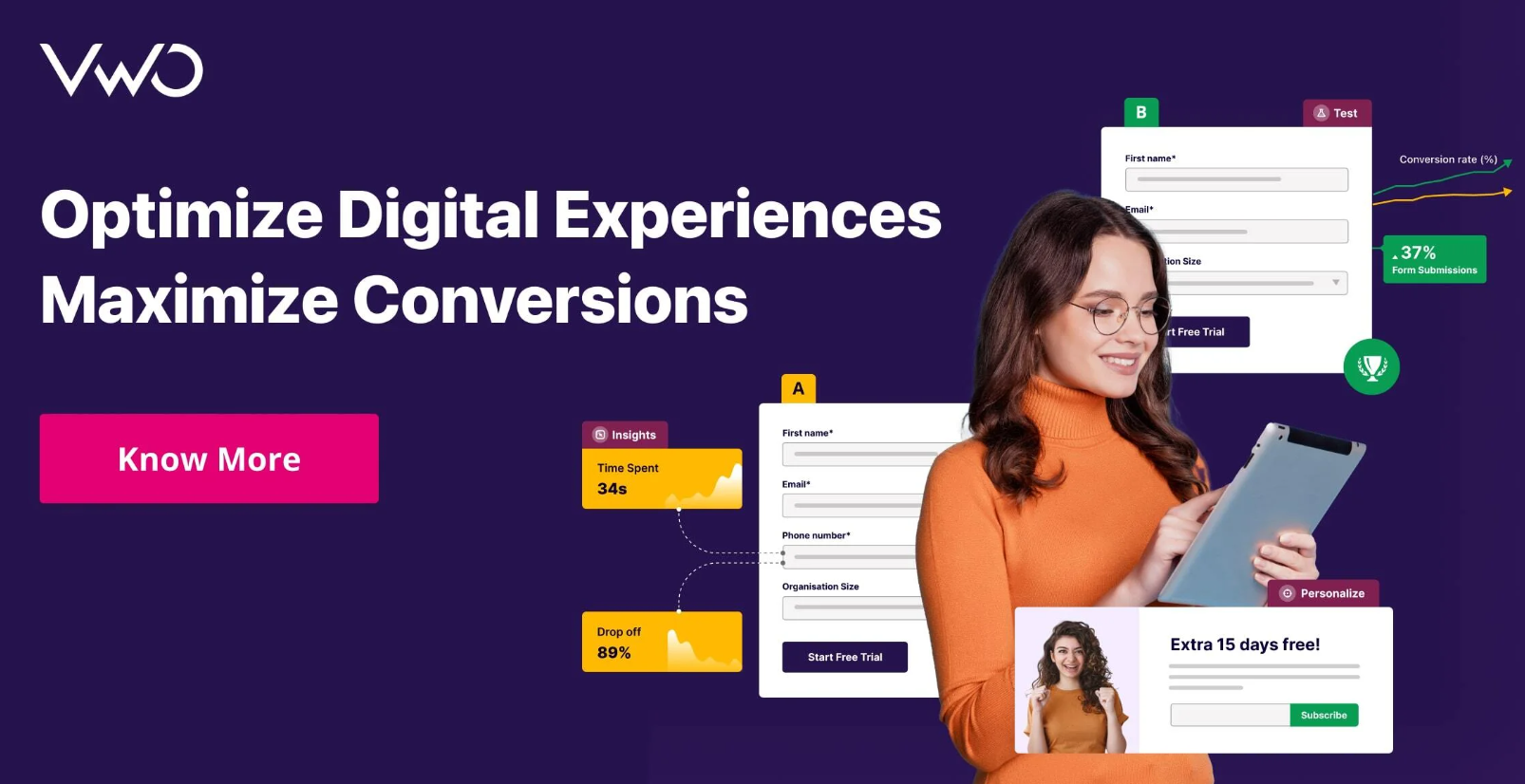
VWO: VWO offers a free version for beginners, making it a fantastic choice for those looking to learn the ropes.
AB Tasty: AB Tasty provides a comprehensive platform for optimizing websites and delivering exceptional user experiences.
Optimizely: Optimizely is known for its experimentation platform, which can be a game-changer for businesses seeking to optimize digital experiences.
(Why I Recommend VWO) - Accessible Learning
💡 Personally, I recommend VWO for newcomers. Its free version is a fantastic starting point, enabling you to explore the possibilities without commitment. It's a stepping stone to mastering the art of data-driven design.
As I continue this journey, A/B testing tools like VWO, along with behaviour analytics from Hotjar, are my trusted companions, enabling me to create designs that users love and stakeholders appreciate.