Day 25/100:Enhancing Figma Workflows with Builder.io's Visual Co-Pilot
(Why) - The Quest for Streamlined Design-to-Code Unveiling Builder.io's latest feature - Visual Co-Pilot, a game-changer for designers working in Figma. In the prototyping phase of design thinking, this tool has the potential to revolutionize the wor...
(Why) - The Quest for Streamlined Design-to-Code
Unveiling Builder.io's latest feature - Visual Co-Pilot, a game-changer for designers working in Figma. In the prototyping phase of design thinking, this tool has the potential to revolutionize the workflow. It brings designers and front-end developers closer than ever before, enabling them to efficiently transform Figma designs into production-ready code. The technical implementation complexities are significantly reduced, making the transition from design to development a seamless experience. It's a transformation that not only saves time but also ensures that the design vision remains intact in the final product. According to Builder.io, a staggering 79% of front-end developers claim that converting a Figma design into a webpage is more than a day's work, highlighting the need for a solution like Visual Co-Pilot.
(What) - A.i Figma Import & Code Export.
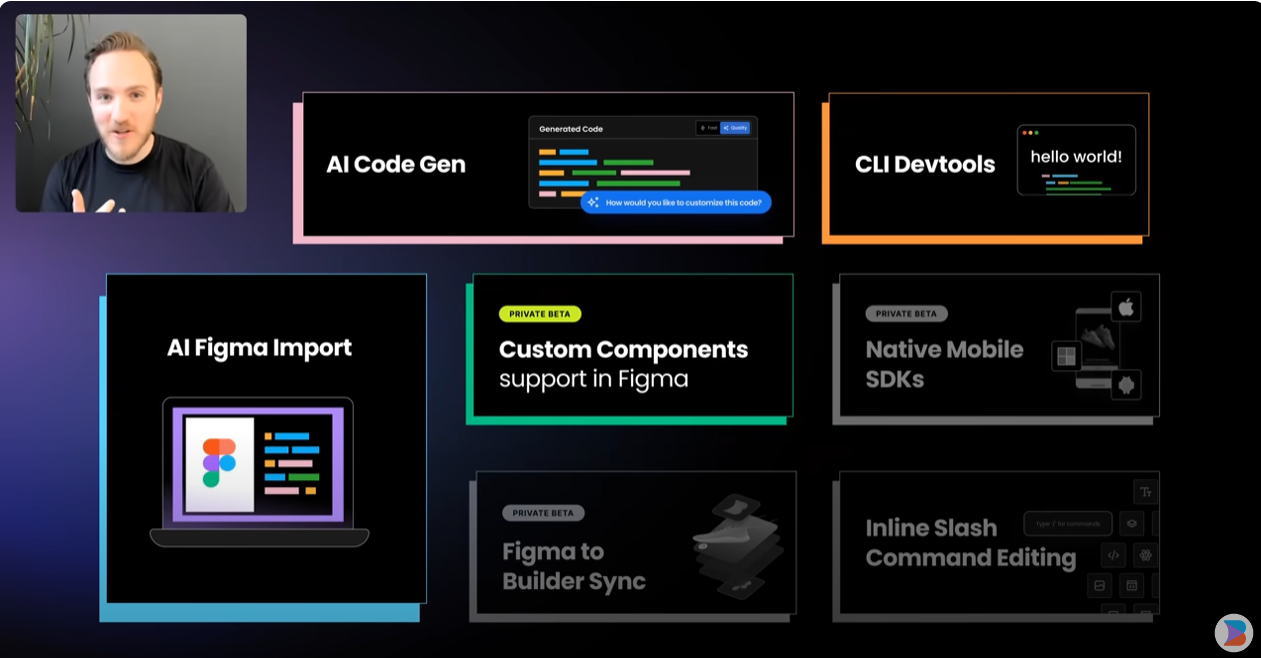
What: With Visual Co-Pilot, Builder.io has introduced a groundbreaking feature that allows designers to convert Figma designs into code effortlessly. This Figma plugin can generate React, Vue, Svelte, Angular, Qwik, Solid, or HTML code with a single click. What's more, it supports your choice of styling library, including plain CSS code, Tailwind, Emotion, and Styled Components. The real magic happens when you can use AI to iterate the code for your preferred CSS library or JavaScript meta-framework, like Next.js or Material UI.
Watch the demo by Steve Sewell on how he adopts design systems with a prompt:
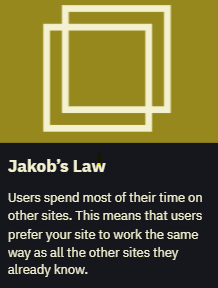
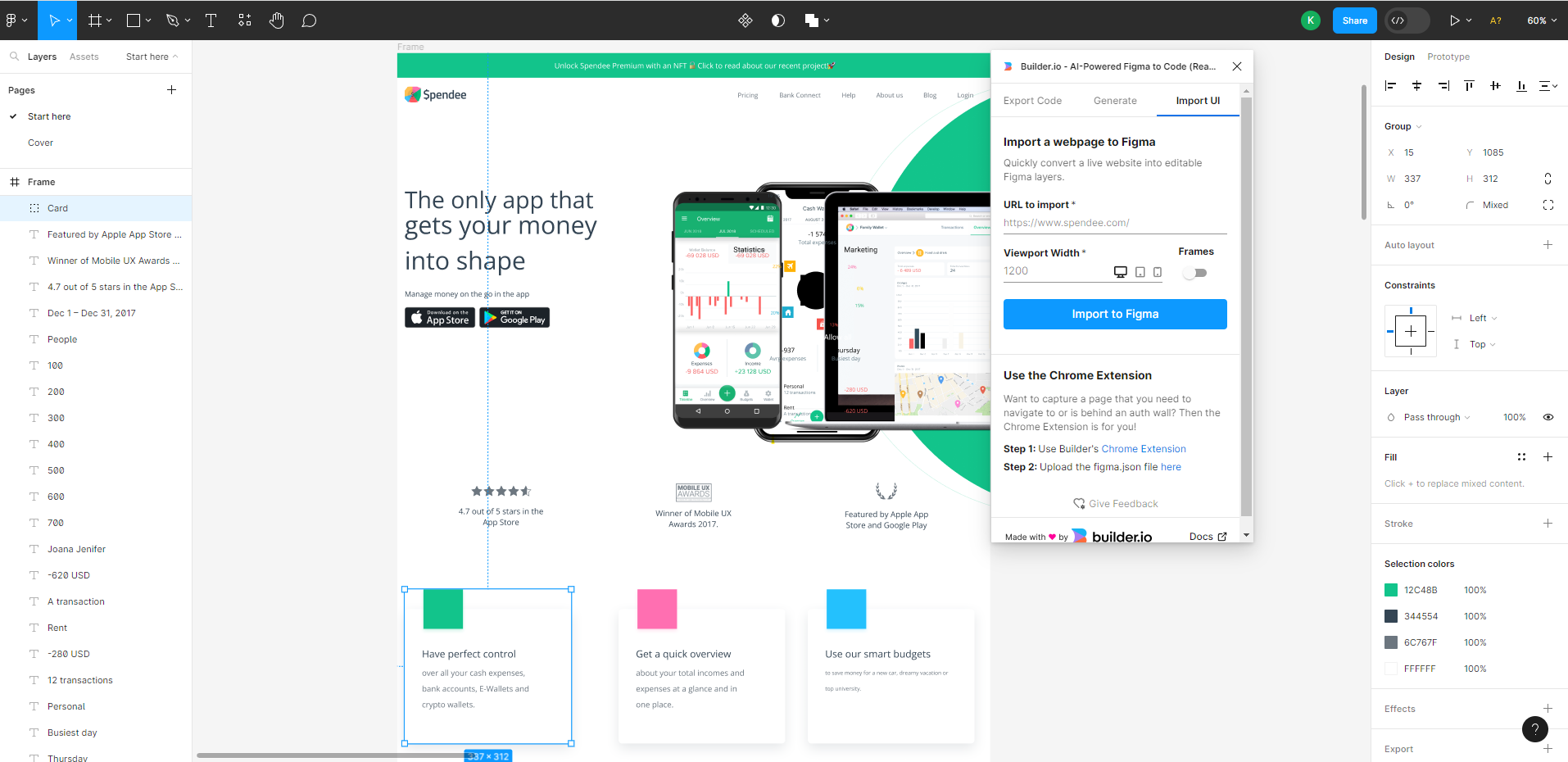
This tool is not just about code generation; it's also about importing UI from any website into layers. You can use this as a reference point, aligning your designs with Jakob's law of UX. The ability to import elements from existing websites enhances your capability to design experiences for apps that feel familiar and user-friendly. In this article, I'll take you through the process with screenshots of how I imported elements from Spendee's landing page.
(How) - Leveraging Builder.io for Idea Generation and A/B Testing
How: As a product designer, Builder.io's Visual Co-Pilot promises to be a valuable asset for idea generation and A/B testing. By enabling rapid idea iteration within the design tool, you can test multiple variations quickly. Many A/B testing tools require some knowledge of code (HTML, CSS, JS) to implement design variations, but with Builder.io, this gap is bridged. The tool includes a ChatGPT-like feature that facilitates the adoption of styles from various design systems such as Material UI, Chakra UI, Bootstrap, and more.
Example of how Netflix Designs like a scientist using A/B Testing:
You can also read about data-driven design in my article: Day 23/100: Navigating A/B Testing for Data-Driven Design
This unique capability means that not only does it streamline the transition from design to code, but it also simplifies the process of testing different design iterations based on real user data. In a world where data-driven design is key, Builder.io offers a solution that empowers designers to make informed decisions and achieve the desired user experience.
Builder.io's Visual Co-Pilot is a step forward in the design world, and it's set to become a vital tool in the arsenal of designers and front-end developers alike. It represents a shift towards a more integrated and streamlined approach to design and development, ultimately leading to better products and experiences.
The future looks promising, with tools like Visual Co-Pilot helping to bridge the gap between design and code, and facilitating efficient idea generation and testing. As a designer, staying at the forefront of such innovative tools is crucial in today's ever-evolving design landscape. Visual Co-Pilot is one such innovation, promising a brighter and more efficient design-to-development journey.
Stay tuned for more insights and tips on the ever-evolving world of design and technology. #100DaysOfDesign #DesignTools #DesignDevelopment #UserExperience