Day 7/100 in #100DaysOfDesign: Mastering UI Design with 10 Usability Heuristics
(Why) - An Introduction to My Journey into Usability Heuristics ✍️ On Day 7 of my #100DaysOfDesign journey, I want to dive into the world of User Interface (UI) design with a focus on 10 Usability Heuristics. These heuristics, outlined by Jakob Niels...
(Why) - An Introduction to My Journey into Usability Heuristics
✍️ On Day 7 of my #100DaysOfDesign journey, I want to dive into the world of User Interface (UI) design with a focus on 10 Usability Heuristics. These heuristics, outlined by Jakob Nielsen and Rolf Molich, are timeless principles that underpin effective UI design. I find endless inspiration in them.
(What) - Unveiling the Power of Usability Heuristics
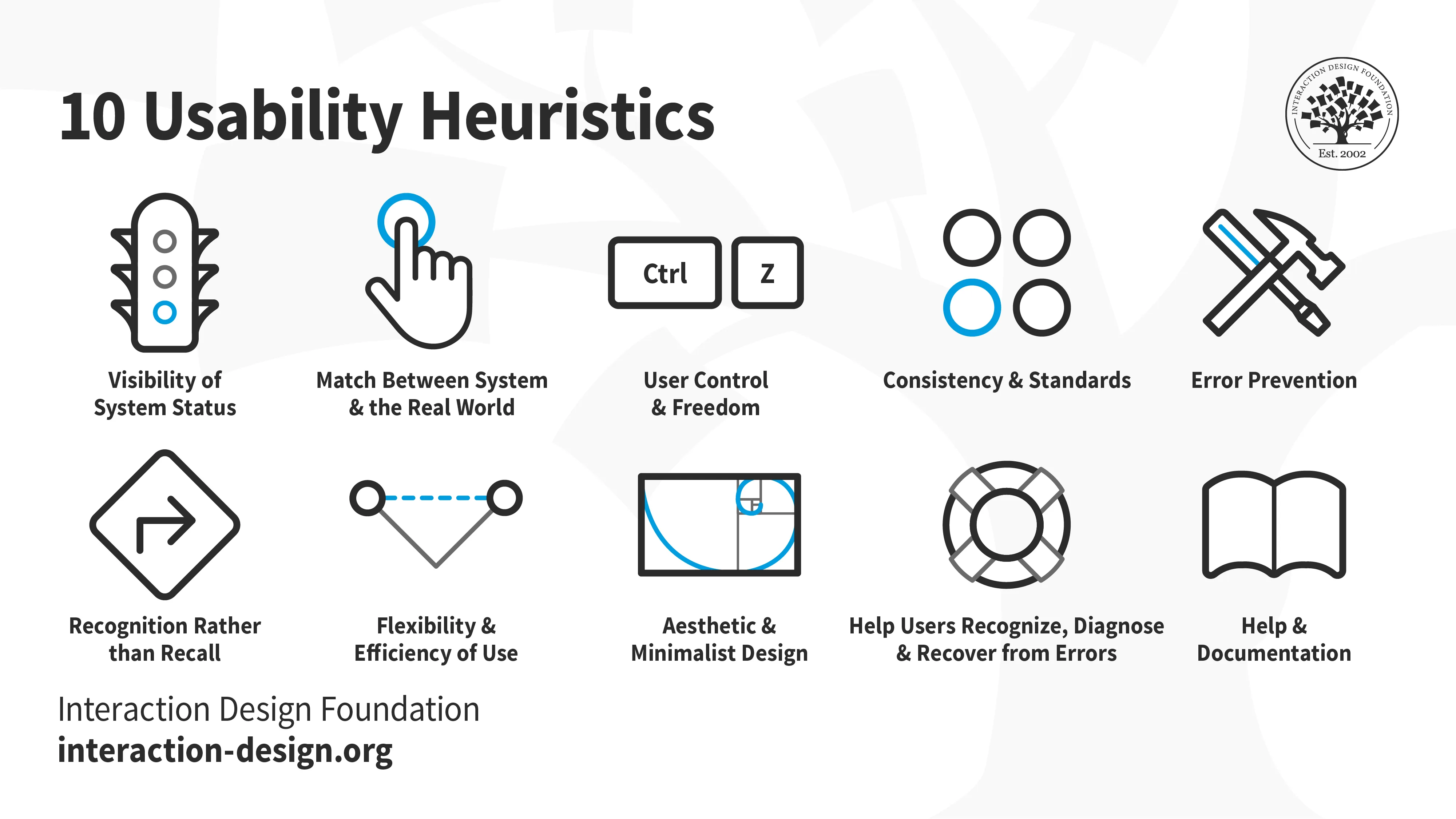
✍️ Usability Heuristics are like guiding lights for UI designers. They offer a set of ten general principles that serve as a benchmark for evaluating the usability of interfaces. These heuristics include concepts like visibility of system status, match between system and the real world, user control and freedom, and more.
I often find myself referring to these heuristics when working on designs, whether it's evaluating existing interfaces or building new ones from scratch. They provide a structured framework to assess user experience and identify areas for improvement.
(How) - How I Use and Find Inspiration in Usability Heuristics
🖼️ Usability Heuristics are not just guidelines; they're a mindset. They inspire me to think critically about user interactions and design choices. Here's how I incorporate them into my design process:
Evaluation: When reviewing an existing design, I apply the heuristics to pinpoint usability issues. Are users informed about system status? Is the language consistent with the real-world concepts users are familiar with? These questions guide my evaluation.
Design: When creating new designs, I draw inspiration from the heuristics to ensure that the interface aligns with user expectations and best practices. For instance, I prioritize clarity, simplicity, and user control in my designs.
Collaboration: I often collaborate with fellow designers and stakeholders, and the heuristics provide a common language for discussing usability concerns and potential solutions.
I also recommend diving into the detailed explanations of each heuristic in the Nielsen Norman Group's article. It's a treasure trove of insights that can elevate your UI design game.
As I continue on my #100DaysOfDesign journey, I'm reminded of the profound impact that usability heuristics have on creating user-friendly interfaces. They serve as a compass, guiding me toward designs that are not only visually appealing but also intuitive and effective.
Stay tuned for more insights, discoveries, and design innovations as I explore the world of UI and UX design, fueled by the wisdom of usability heuristics.